
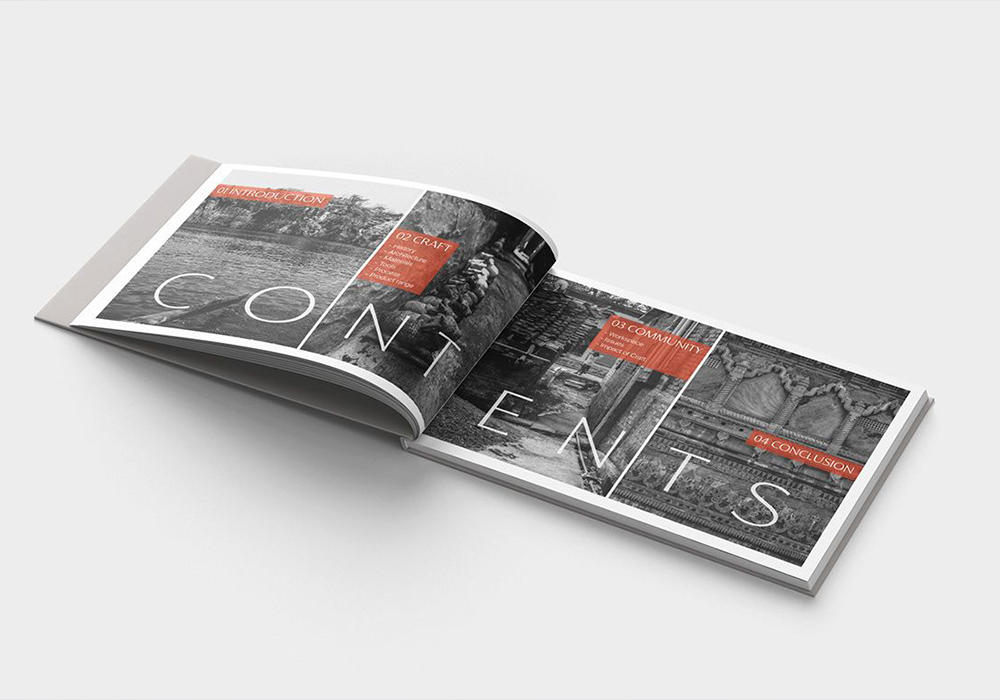
Companies often reach a point where a standard company profile no longer feels sufficient. At the same time, commissioning a coffee table book may feel excessive or unclear in purpose.
Understanding the difference between a coffee table book and a company profile helps organisations choose the right format for the right context. While both communicate who the company is, they serve very different roles.
This article explains how coffee table books and company profiles differ, when each is appropriate, and how companies should decide between the two.
What Is a Company Profile
A company profile is a functional communication document that introduces an organisation to external audiences. It is typically concise, informational, and designed for quick understanding.
Company profiles usually include:
- Company overview and background
- Business activities and offerings
- Leadership information
- Key achievements or milestones
- Contact and corporate details
Company profiles are commonly used for:
- Sales conversations
- Vendor onboarding
- Partner introductions
- Corporate presentations
- Website downloads
The purpose of a company profile is clarity and efficiency. It answers basic questions about the organisation without going into depth or narrative detail.
What Is a Coffee Table Book
A coffee table book is a curated, long-form corporate publication designed to document a company’s journey, values, milestones, or legacy.
Unlike a company profile, a coffee table book is not transactional. It is reflective and archival in nature.
Corporate coffee table books often include:
- Organisational history and evolution
- Founders’ or leadership perspectives
- Milestones, projects, or achievements
- Visual storytelling through photography and design
- Cultural, social, or industry impact
Coffee table books are typically commissioned for:
- Milestone anniversaries
- Promoter or leadership documentation
- Brand legacy preservation
- Corporate gifting
- Institutional memory
The purpose of a coffee table book is depth, permanence, and representation.
Key Differences Between Coffee Table Books and Company Profiles
The primary difference lies in intent.
A company profile is designed for immediate use. It supports introductions, conversations, and transactions. It is updated frequently and distributed widely.
A coffee table book is designed for longevity. It is not updated regularly and is produced with permanence in mind.
Company profiles prioritise information density and brevity. Coffee table books prioritise narrative flow, visual quality, and contextual depth.
From a design perspective, company profiles focus on clarity and consistency. Coffee table book design focuses on pacing, storytelling, and premium presentation.
When a Company Should Use a Company Profile
A company profile is appropriate when:
- The objective is introduction or explanation
- Information needs to be current and flexible
- The document supports sales, partnerships, or operations
- The audience requires quick understanding
For most organisations, a company profile is a baseline corporate asset.
When a Company Should Commission a Coffee Table Book
A coffee table book becomes relevant when:
- The organisation has a meaningful history or journey to document
- Leadership wants to preserve institutional memory
- The company is marking a milestone or transition
- The publication is intended for long-term reference or gifting
Coffee table books are not substitutes for company profiles. They serve a different purpose and audience.
Design Considerations for Both Formats
Design plays a different role in each format.
Company profile design focuses on:
- Structured layouts
- Clear hierarchy
- Readability across formats
- Brand consistency
Coffee table book design focuses on:
- Visual storytelling
- Image quality and layout flow
- Print production standards
- Material, format, and finishing choices
Applying the same design approach to both often leads to suboptimal results.
How Companies Should Decide
The decision should be driven by purpose, not aesthetics.
If the requirement is explanation, clarity, and utility, a company profile is appropriate.
If the requirement is documentation, representation, and permanence, a coffee table book is more suitable.
Many mature organisations maintain both, using each in the context it is best suited for.
Final Thoughts
A company profile and a coffee table book are not competing assets. They are complementary.
Understanding their differences allows organisations to invest appropriately, brief designers accurately, and ensure the final output serves its intended role.
Choosing the right format at the right time ensures that corporate communication remains clear, relevant, and purposeful.